


Gala Entertainment That Carries the Whole Night
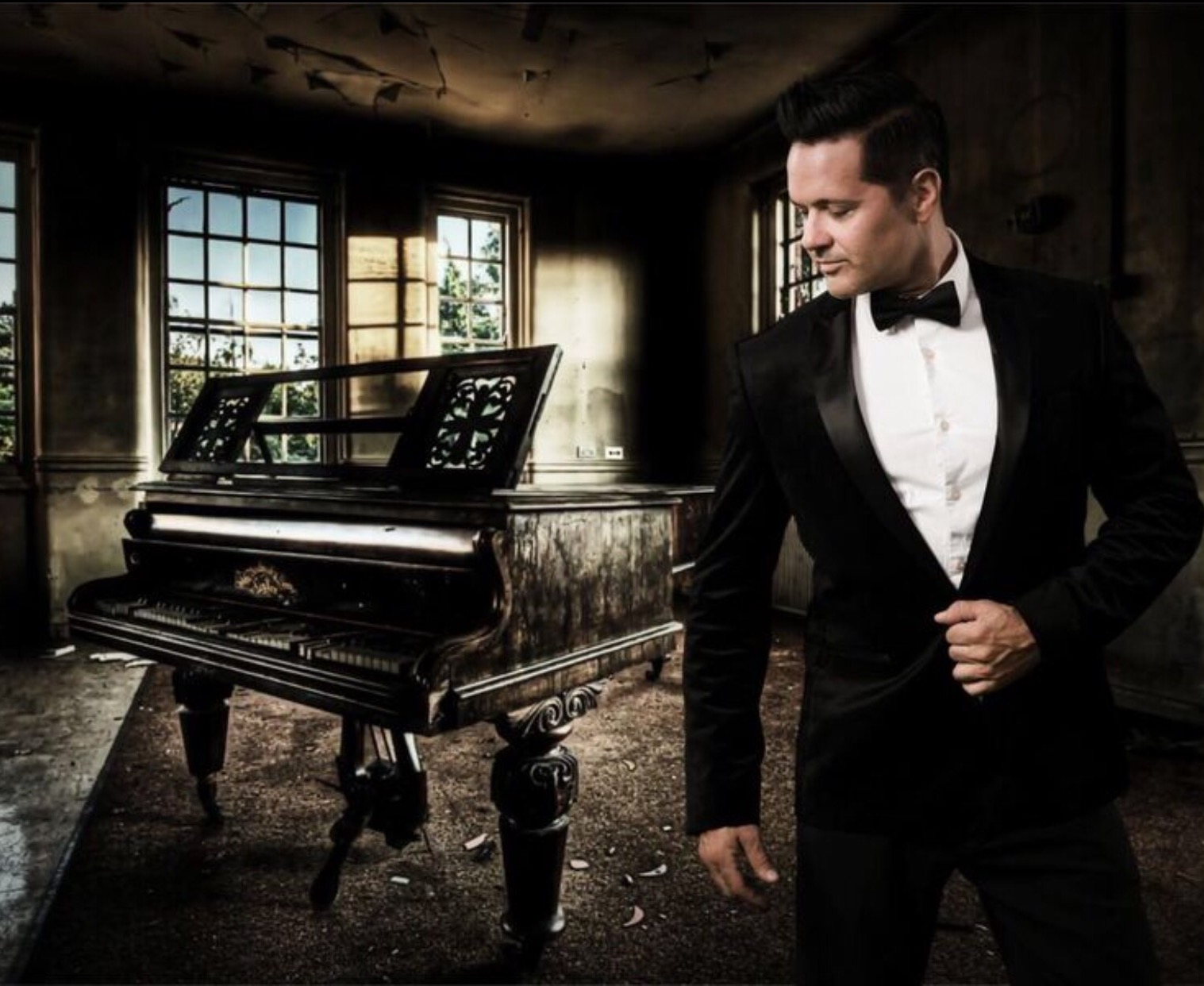
A gala can have a stunning ballroom, an exceptional menu, and a meaningful cause, yet still feel flat if the room never finds its energy. The right gala entertainment gives each part of the evening a distinct purpose: a polished welcome, a warm social atmosphere, a graceful transition into program moments, and a dance floor guests are reluctant to leave. It is not background music. It is the thread that holds the guest experience together.
For black-tie fundraisers, corporate celebrations, awards dinners, and private milestone galas, live music creates a level of presence that a playlist cannot replicate. Guests feel the difference in the first few minutes. They are greeted by performers who read the room, adjust the mood in real time, and make an elegant event feel genuinely alive.
What Gala Entertainment Must Accomplish
A gala is rarely one continuous party. It moves through arrivals, cocktails, dinner, speeches, recognition, fundraising, and dancing, often with guests ranging from longtime supporters to first-time attendees. Entertainment must support those changes without making the event feel fragmented.
At arrival, the goal is confidence and anticipation. A piano-and-violin duo, solo acoustic performer, or refined jazz ensemble can establish the tone before guests reach the registration table. The music should feel intentional and elevated, but still leave room for greetings, photographs, and conversation.
During cocktail hour, a versatile jazz trio or acoustic group can make the room feel social without competing with it. This is where familiar songs arranged with sophistication often work particularly well. A well-played classic can make guests smile, while the arrangement remains appropriate for a luxury setting.
Dinner calls for restraint. The best dinner music has color and character, but it does not force guests to lean across the table to speak. Live musicians with gala experience understand dynamics. They know when to bring warmth to a quiet room, when to lower the volume as program remarks begin, and when to build anticipation before the next major moment.
Then comes the release. After an auction, awards presentation, or formal program, guests need a clear shift from seated attendees to active participants. A dynamic dance band creates that change immediately. The first song after dinner matters more than many planners realize: it signals whether the celebration is winding down or just beginning.
Design Gala Entertainment Around the Event Timeline
The most successful gala programming is designed in chapters rather than booked as a single act. One format may be perfect for an intimate donor reception but lack the energy needed for a packed dance floor. Conversely, a full dance band may be more production than a quiet pre-dinner setting requires.
A tailored multi-format approach solves this naturally. Consider a solo violinist for a refined welcome, followed by a jazz-oriented trio during cocktails, then a high-energy Top 40 dance band after the program. Because the entertainment is coordinated through one experienced provider, the musical style can evolve while the quality, production standards, and event vision remain consistent.
This approach also reduces the number of details an organizer has to manage. Rather than coordinating separate arrival, dinner, and reception vendors, planners can shape a complete musical experience with one creative team. For destination galas and resort events, where timelines and logistics already carry real complexity, that continuity is especially valuable.
The schedule should guide the scale of the ensemble. A five- or six-piece band may be ideal for a ballroom dance set, while a smaller configuration can provide elegance for a private estate dinner or sponsor reception. Bigger is not always better. The appropriate format depends on room size, guest count, acoustic conditions, budget, and how much of the evening is dedicated to dancing.
Match the Music to the Guest Mix
A gala audience often spans generations, industries, and cultures. The entertainment should be broad enough to welcome everyone without becoming musically unfocused. That is why repertoire matters as much as talent.
A polished dance set might move confidently from Motown and disco to pop, rock, R&B, and current hits, with the bandleader adjusting according to guest response. For a corporate crowd, the music can reflect the organization’s personality. For a charity gala, a memorable sing-along late in the night can create the shared feeling that turns attendees into returning supporters.
Theme can play a role, but it should not become a limitation. A Great Gatsby-inspired event may benefit from jazz influence early in the evening, while a contemporary dance band still gives guests a reason to stay after the formal program. A coastal Florida gala might call for relaxed sophistication during cocktails and an international, high-energy set later. The strongest entertainment honors the theme without turning the entire night into a costume.
Production Details Guests Feel, Even If They Never See Them
Premium gala entertainment is not only about the people on stage. It includes the planning behind the performance: professional sound, appropriate lighting, clean stage presentation, quick transitions, and communication with the venue, planner, and production team.
Sound is the most common place where good intentions can go wrong. Music that is too loud at dinner frustrates guests. Music that is too soft during dancing drains momentum. A seasoned live entertainment team manages volume by event phase and works with the room rather than against it. Ballrooms with high ceilings, waterfront terraces, outdoor courtyards, and tented receptions all behave differently acoustically.
Timing deserves the same care. The entertainment team should know when doors open, when VIPs arrive, when the auctioneer needs a walk-on cue, when awards are announced, and when the dance floor should open. Live performers can provide musical stings, introductions, and transitions that make program elements feel more polished. These details may last only seconds, but they shape how professionally the entire gala is perceived.
For events with speeches, presentations, or fundraising appeals, entertainment should support the program rather than compete with it. That may mean holding a musical bed beneath a video, creating a custom walk-up moment for honorees, or building energy after a donation appeal. The key is collaboration. A band should be prepared, responsive, and comfortable taking direction from the event producer when necessary.
Why Professional Credentials Matter for a Gala
A gala is often tied to a reputation: a nonprofit’s mission, a company’s brand, a host committee’s relationships, or a family’s name. There is little room for performers who arrive unprepared, misread the audience, or treat the evening like a casual bar set.
Experienced musicians bring more than technical ability. They bring poise. Performers with backgrounds in national television, Broadway, symphony work, major touring productions, cruise lines, and high-profile events understand how to deliver under pressure. They know how to recover smoothly from timeline changes, accommodate special requests, and maintain a polished stage presence throughout a long evening.
That professionalism is also what allows customization to feel effortless to the client. Tom Sartori Band builds gala programming around the event rather than forcing the event into a preset package, combining accomplished musicians, flexible ensemble options, and a personal planning approach. Whether the vision calls for elegant instrumental music, a jazz-forward dinner atmosphere, a country-inspired celebration, or a full-scale Top 40 dance party, the performance can be shaped around the guests in the room.
Questions to Settle Before Booking
Before selecting gala entertainment, clarify the event’s emotional destination. Is the priority donor engagement, a refined dinner, recognition for employees, a celebratory dance floor, or all of the above? The answer determines not only the style of music but also the number of musicians, amount of production, and ideal performance timeline.
It also helps to identify nonnegotiable moments early. Perhaps there is a sponsor reception before the main gala, a special song for an honoree, a live auction that needs musical support, or a late-night set after the formal event ends. Share those details during the planning stage. A customized entertainment plan is strongest when the musicians understand the whole night, not just their stage time.
Finally, ask how the team handles communication, production, attire, special requests, and schedule changes. Five-star reviews and impressive credits are meaningful reassurance, but the best indicator is whether the entertainment partner listens carefully and offers solutions that fit the event.
A memorable gala does not need nonstop spectacle. It needs the right energy at the right moment, delivered by musicians who understand the room. When every transition feels considered, guests leave talking not only about what the event supported, but about how exceptional it felt to be there.


Comments