


How Long Do Bands Play at Wedding Receptions?
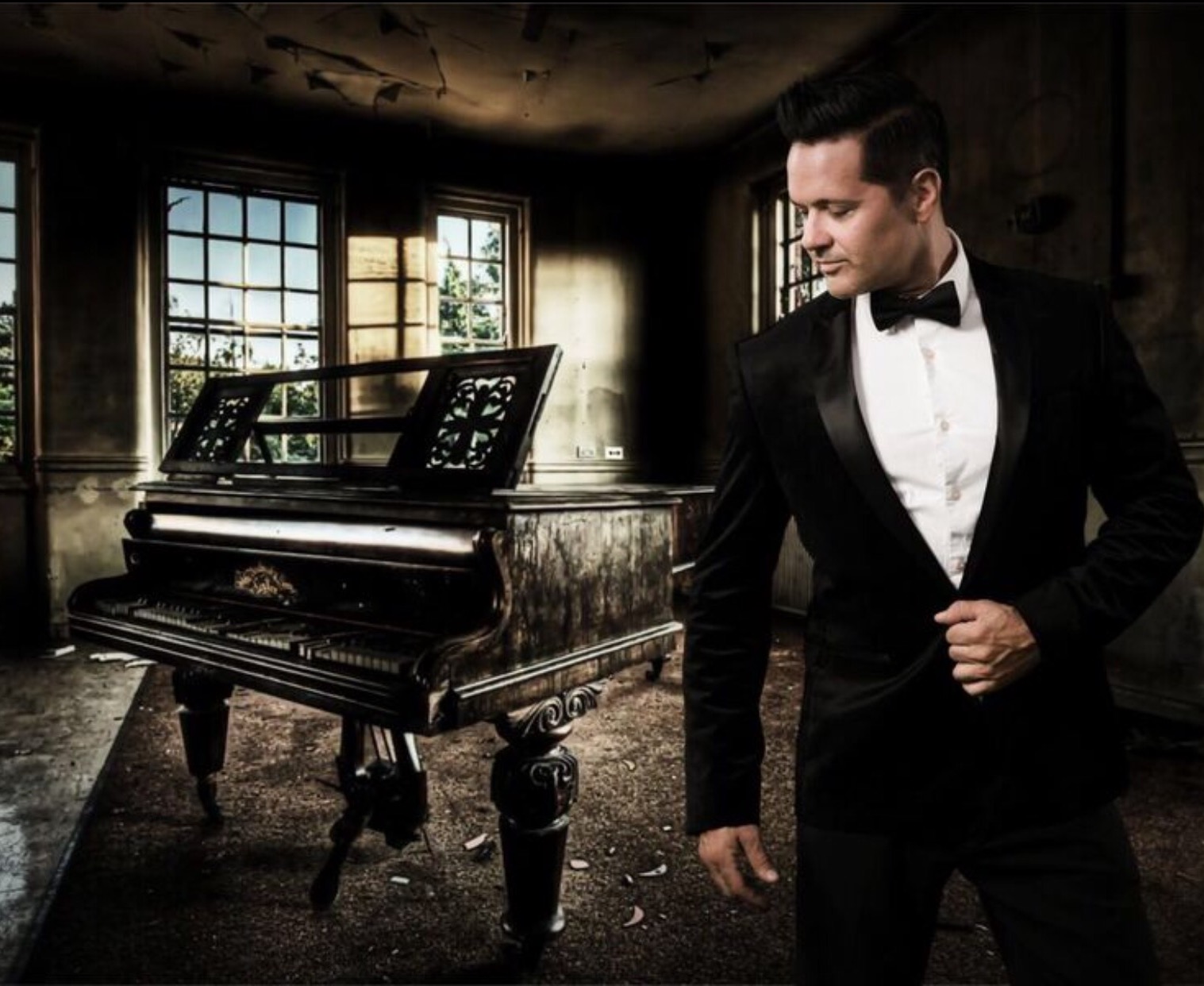
The dance floor is full, the chorus hits, and suddenly the reception is at its peak. It is the moment every couple wants to protect - which is why clients often ask, “How long do bands play?” The answer is rarely a single number. A polished live-music plan accounts for your timeline, guest count, venue rules, dinner pace, and the kind of energy you want guests to remember.
For an upscale wedding reception, live bands commonly provide three to four hours of performance time, usually organized into multiple sets with short breaks. But the best approach is not simply booking the longest possible show. It is placing the right music in the right moments, from the first guest arrival to the final send-off.
How Long Do Bands Play at a Wedding?
Most wedding bands are booked for a reception performance window of three to four hours. Within that window, a band may perform two 75-minute sets, three 60-minute sets, or another arrangement that complements the evening’s schedule. A four-hour booking does not always mean four uninterrupted hours of musicians playing. Professional performers need brief breaks to sustain the vocal strength, precision, and high-energy presentation that a premium celebration deserves.
A three-hour dance reception is often ideal for weddings with an efficient timeline, a focused dinner service, and a high-energy crowd. Four hours gives the evening more room to breathe, particularly when guests are traveling from out of town, dinner will be served in several courses, or you want a later, club-style dance floor.
For corporate celebrations and private events, two to three hours may be enough when the live band is the featured finale after cocktails, awards, or presentations. A gala built around dinner and dancing, however, often benefits from a longer musical arc.
Performance time is different from event coverage
This distinction matters. Your event may last six hours, while the full dance band performs for three. The remaining time can be beautifully covered by live ceremony music, a cocktail ensemble, curated recorded music during band breaks, or a lower-volume dinner set.
That flexibility is often more refined than asking one format to fill every moment. A solo violinist can create a graceful ceremony atmosphere, a jazz trio can welcome guests into cocktail hour, and a Top 40 dance band can take over when dinner concludes. The entertainment feels connected, while each portion of the event receives the appropriate sound and scale.
A Well-Paced Wedding Music Timeline
A typical luxury wedding celebration has several distinct musical chapters. Each one calls for a different duration and energy level.
Ceremony music usually begins with 20 to 30 minutes of prelude as guests arrive and find their seats. The processional, ceremony selections, and recessional may add another 15 to 30 minutes, depending on the service. For this portion, an acoustic piano-and-violin duo, solo instrumentalist, or intimate vocal performance creates an elegant first impression without overwhelming the setting.
Cocktail hour typically lasts 60 minutes. It is an excellent opportunity for a jazz trio, acoustic duo, or sophisticated solo performer. Guests can connect, enjoy the venue, and transition from ceremony to reception while live music establishes a welcoming sense of occasion.
Dinner commonly runs 60 to 90 minutes. Some couples prefer discreet recorded background music here, while others choose a jazz-oriented ensemble or a reduced live configuration. The goal is conversation-friendly music with enough personality to keep the room feeling vibrant.
Then comes the reception band. A three- or four-hour performance window can cover introductions, first dances, parent dances, open dancing, specialty moments, and the final song. If your priority is a packed dance floor, consider moving formal dances efficiently and beginning open dancing before guests become too settled at their tables.
Band Breaks Should Support the Momentum
A professional band’s breaks are part of the plan, not an interruption that should surprise anyone. Most bands take 10- to 20-minute breaks between sets, with the exact schedule shaped around dinner courses, speeches, cake cutting, or late-night food service.
The strongest entertainment plans keep music playing during those pauses. Curated playlists can continue through a professional sound system, preserving the mood without forcing guests into silence. In some cases, a DJ or another live format can cover breaks and extend the evening after the full band’s final set.
Timing breaks around toasts is especially effective. Guests are already attentive rather than dancing, so the transition feels natural. A seasoned bandleader will work directly with your planner, venue coordinator, and catering team to make those changes feel effortless.
What Changes How Long a Band Should Play?
Guest behavior is one of the biggest variables. A destination wedding with guests who have spent the afternoon by the pool may build slowly and stay lively late into the evening. A Sunday brunch wedding may call for a shorter, lighter performance. Neither is better - they simply require different pacing.
Your venue also has a practical role. Some ballrooms, clubs, and waterfront properties have strict sound curfews. If amplified music must end at 10 p.m., booking a four-hour band starting at 8 p.m. may not serve your goals as well as beginning dancing earlier. Outdoor events may need additional attention to weather plans, sound restrictions, and performance logistics.
The size of the room and the composition of the guest list matter, too. A six-piece dance band can create a tremendous high-impact sound for a 200-person reception, while a smaller ensemble may be exactly right for an intimate dinner party. The best choice balances visual presence, musical range, budget, and the atmosphere you want to create.
Finally, consider the role music plays in your celebration. If dancing is the centerpiece, allocate more time to the dance band and keep speeches concise. If your event is centered on a gourmet dinner, guest speakers, or a formal program, a versatile entertainment package can provide a more elegant progression from one moment to the next.
Choosing Three Hours or Four
Choose three hours when your reception is tightly timed, your formalities are limited, or you want the band to deliver a concentrated burst of energy. This is a strong option for many weddings and corporate events, especially when cocktail hour and dinner have their own musical coverage.
Choose four hours when guests will be ready to dance late, dinner service is more relaxed, or you want room for a grand entrance, multiple formal dances, speeches, cultural traditions, and an unhurried finale. It can also be the better investment for a destination celebration where the event itself is the main social experience for the weekend.
Rather than selecting a duration in isolation, map the evening from guest arrival through departure. Identify the moments that need live music, the moments that need only atmosphere, and the moments where you want the room to feel electric. That plan will reveal whether a single band, multiple ensembles, or a layered package is the right fit.
Build the Show Around Your Guests
At Tom Sartori Band, entertainment can be tailored across ceremony, cocktails, dinner, and the dance reception, with ensemble size and repertoire shaped around the event’s theme and guest experience. That approach matters because a black-tie Palm Beach ballroom, a Naples waterfront reception, and a Miami corporate gala should not sound exactly alike.
Ask prospective performers how they structure sets, handle breaks, coordinate with planners, and adapt when the timeline moves. A truly accomplished band is prepared for the unexpected, but thoughtful advance planning gives them the best chance to create a polished, joyous performance from the first note to the last.
The right length is the one that leaves guests still talking about the music on the way home - not because the band played endlessly, but because every song arrived at exactly the right time.


Comments