


Event Music Planning for Elevated Florida Celebrations
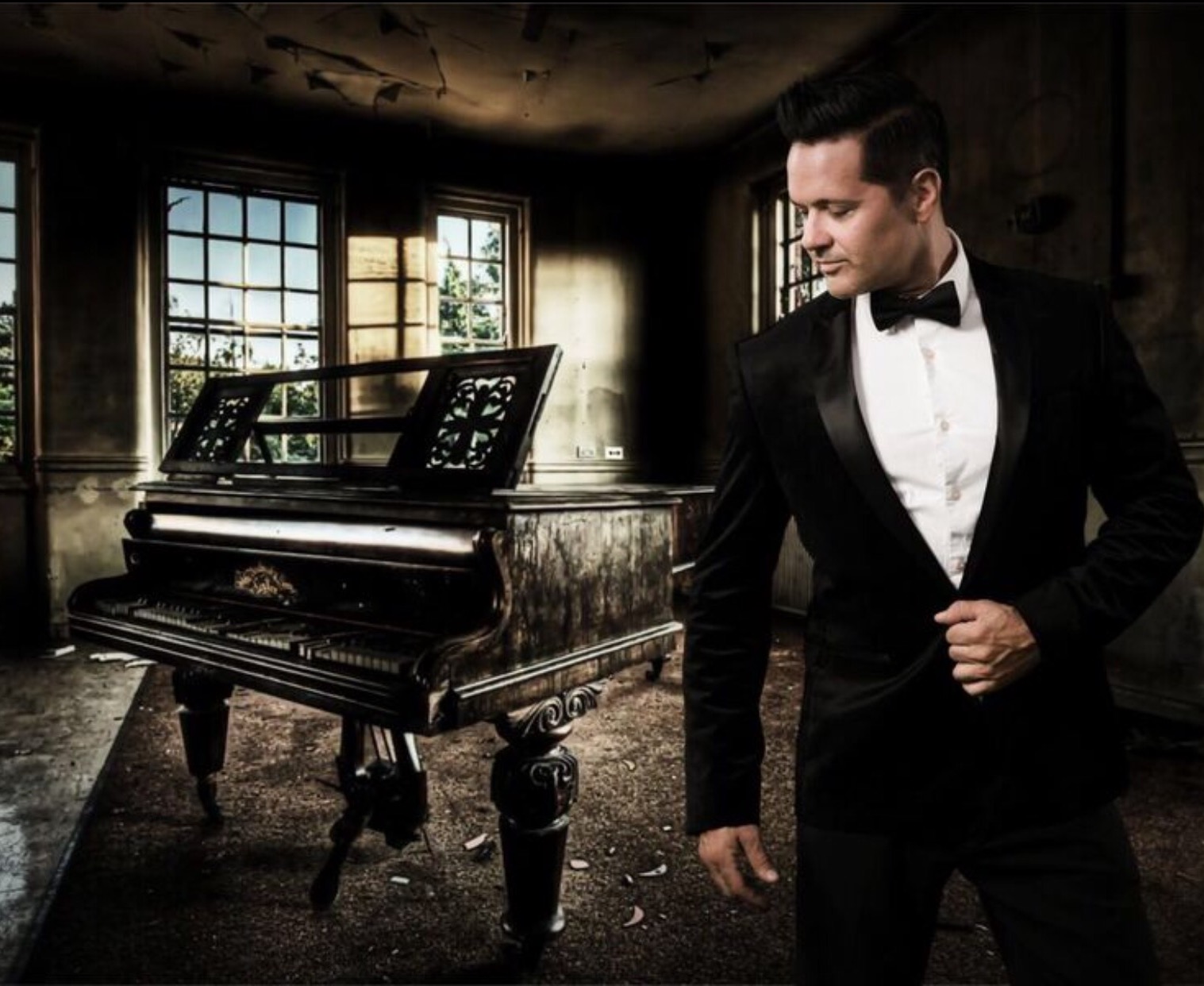
A ceremony entrance can feel cinematic, a cocktail hour can invite conversation, and a reception can keep three generations on the dance floor - but only when the music is designed for each moment. Thoughtful event music planning is not simply choosing favorite songs. It is shaping the energy, transitions, and guest experience from the first arrival through the final encore.
For Florida weddings, destination celebrations, private parties, and corporate events, music also has to work with the realities of the occasion: waterfront settings, resort schedules, ballroom acoustics, outdoor weather plans, formal presentations, and a guest list that may arrive from around the world. The strongest entertainment plans are personalized early, then executed by experienced professionals who understand how an event actually unfolds.
Start Event Music Planning With the Guest Experience
Before selecting a band size or building a song list, consider what guests should feel at each stage of the event. A black-tie Palm Beach reception may call for elegant piano, violin, or jazz during arrival and dinner before building into a sophisticated dance party. A Naples beach celebration might favor acoustic music for the ceremony, warm cocktail-hour classics, and a high-energy Top 40 band once the sun goes down.
The goal is not to make every portion of the event equally loud or equally energetic. A memorable event has contrast. Guests need room to greet one another, enjoy dinner, hear a toast, and reset between major moments. When the dance floor opens, the entertainment should feel like a natural elevation of the evening rather than an abrupt change in volume and style.
This is where live entertainment offers a distinct advantage. Accomplished musicians can read the room in real time, extend a song when the floor is full, shift genres when the audience responds, and support a host or planner when the timeline changes. That flexibility matters far more than a rigid playlist when an event is built around guest experience.
Map the Music to Each Event Moment
A full celebration rarely needs one musical format from start to finish. In fact, using the same high-volume party band during a quiet ceremony or networking-focused cocktail hour can work against the atmosphere you have created. A modular entertainment plan lets each setting have its own appropriate sound while keeping the performance quality consistent.
Ceremony and Guest Arrival
For weddings, ceremony music sets the emotional standard before the couple ever walks down the aisle. Solo piano, violin, acoustic guitar, or a piano-and-violin duo can provide a refined sound without overwhelming the setting. The repertoire may include classical selections, contemporary songs arranged elegantly, or meaningful family favorites.
Timing is critical here. Musicians should coordinate prelude music, processional cues, special unity moments, and the recessional with the officiant and planner. For outdoor Florida ceremonies, the plan should also account for wind, heat, access to power, amplification needs, and a covered backup location.
Cocktail Hour and Social Connection
Cocktail hour should feel polished without becoming a performance guests must talk over. A jazz trio, acoustic duo, or one-man-band format can create an inviting backdrop while giving guests space to reconnect, enjoy the venue, and transition into the reception.
This is a particularly effective place to reflect the event's character. A corporate group may respond to tasteful jazz, soul, and familiar standards. A destination wedding may lean toward coastal acoustic arrangements or international influences. The right choice depends on the room, the crowd, and whether this hour is primarily for mingling, photos, or sponsor and executive hospitality.
Dinner, Formalities, and the Dance Floor
During dinner, music should support conversation while preserving momentum. This is often the best time for a sophisticated mix of jazz, soul, vintage pop, and modern songs presented at a measured volume. If speeches, awards, or video presentations are part of the program, the entertainment team should be prepared to coordinate with audiovisual partners and follow clear cues.
Once formalities are complete, the reception needs a confident shift. A versatile live dance band can move from Motown and disco to country, rock, pop, and current Top 40, depending on the guests in the room. The strongest dance sets balance recognizable favorites with fresh selections, rather than relying entirely on one era or one genre.
Choose the Right Band Format, Not Just the Biggest One
More musicians can create a larger sound and a greater visual impact, but a larger band is not automatically the right investment for every event. The ideal lineup depends on venue size, guest count, production expectations, budget, and how many portions of the day require music.
A solo performer or acoustic duo can be a compelling choice for an intimate ceremony, cocktail hour, or private dinner. A jazz trio brings texture and sophistication to a refined social setting. For a wedding or gala where dancing is the centerpiece, a full Top 40 dance band delivers the vocal range, rhythm section, and stage presence needed to carry a packed room. Country-focused entertainment or an original music show may be the better fit when the event theme and audience call for a more specific sound.
A multi-format package often provides the most cohesive solution. For example, a couple might choose solo violin for the ceremony, a jazz-oriented trio for cocktail hour, and a six-piece dance band for the reception. Instead of coordinating separate vendors with separate expectations, they receive one tailored entertainment plan designed around the changing pace of the day.
Build a Song Strategy Without Over-Controlling It
Clients should absolutely share their musical preferences. A short list of must-play songs, meaningful first-dance selections, cultural traditions, and a clear do-not-play list gives the band valuable direction. It also helps to identify genres that represent the guests: classic rock for family favorites, country for a hometown crowd, Latin pop for a multicultural celebration, or current hits for a younger dance floor.
At the same time, leave room for professional judgment. A dance floor is not built by playing every requested title in order. It is built through pacing, song transitions, tempo changes, and reading what guests are actually responding to. An experienced bandleader can recognize when a crowd wants sing-along anthems, when it is ready for a slower reset, or when one more high-energy selection will keep the room moving.
For formal events, discuss special moments in advance: grand entrance music, first dances, parent dances, cake cutting, awards walk-ups, charitable appeals, and the final song. Clear planning allows these moments to feel effortless for guests, even when the production behind them is detailed.
Protect the Plan With Professional Coordination
Beautiful music can still be undermined by poor logistics. Ask early about performance space, stage dimensions, power access, load-in routes, sound limits, parking, weather contingencies, and event timing. Luxury venues and destination properties often have specific production policies, so entertainment should be coordinated with the venue, planner, and audiovisual team well before event day.
The musicians themselves matter just as much as the equipment. Look for performers with extensive event experience and the credentials to match the level of your celebration. Artists who have appeared on national television, performed on Broadway stages, worked with symphonies and Grammy-winning artists, toured internationally, or entertained for major organizations bring more than impressive biographies. They bring calm under pressure, musical range, and the ability to deliver polished results in demanding environments.
Tom Sartori Band approaches this process as a custom entertainment design, matching world-renowned talent and flexible lineup options to the event's theme, budget, venue, and guest profile. That personal attention is especially valuable when one celebration includes multiple locations, genres, or audience expectations.
Give the Entertainment Team the Right Information
The best planning conversation goes beyond date, venue, and guest count. Share the overall vision, the event schedule, expected age ranges, cultural considerations, VIP preferences, and the role music should play in the evening. A planner may want understated elegance through dinner and a dramatic late-night set. A corporate host may need brief walk-up cues, dinner music, and a performance that remains appropriate for executives and clients alike.
It also helps to identify who has final authority on event day. A dedicated planner, venue captain, or family point person can communicate schedule changes quickly and keep the musicians focused on performance rather than logistics. For destination events, confirm travel timing, rehearsal needs, and backup plans early enough that no one is making critical decisions after guests arrive.
The right music plan should make your event feel unmistakably yours while giving guests the freedom to enjoy every part of it. Begin with the moments you want them to remember, then let seasoned live entertainers build the soundtrack that carries them there.


Comments