


How to Plan Ceremony Music That Feels Personal
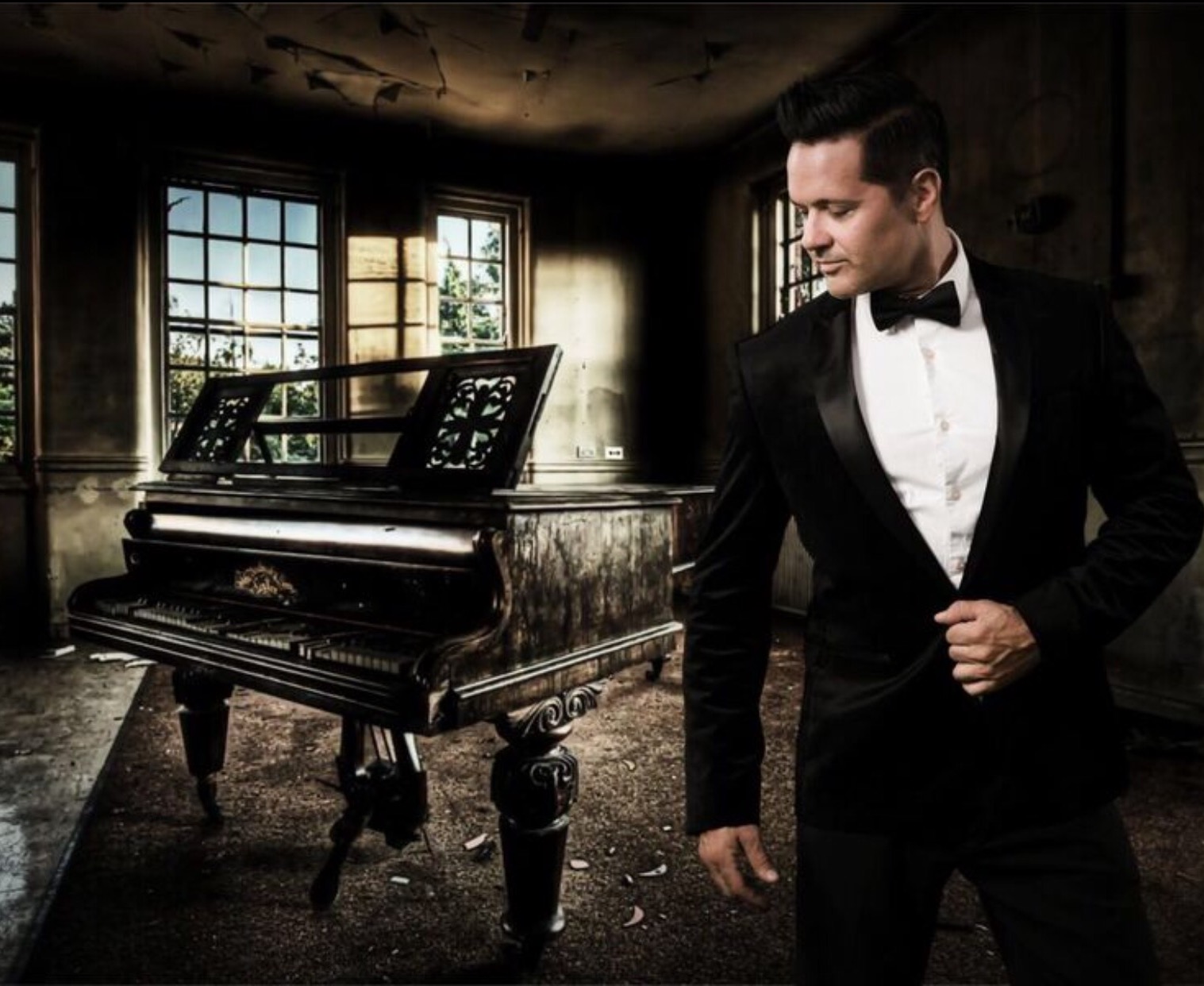
A ceremony lasts a relatively short time, but its music carries some of the most photographed, emotional moments of the wedding day. When you plan ceremony music with the same care given to the reception, each entrance, pause, and recessional feels intentional rather than simply filled with sound. For Florida weddings, that planning also means considering the setting: ocean wind in the Keys, a grand Palm Beach ballroom, a garden aisle in Orlando, or a sunlit Naples waterfront lawn all call for slightly different musical choices and production details.
Start With the Moments That Need Music
Before selecting songs, map the ceremony itself. Most couples need music for guest arrival, the seating of family members, the wedding party processional, the bride or couple's entrance, any unity ritual or signing, and the recessional. A musician can shape the pacing between these moments, but a clear outline prevents last-minute uncertainty.
Guest-arrival music sets the first impression. This is often 20 to 30 minutes of welcoming, polished background music while guests find their seats. For a formal indoor ceremony, solo piano, piano and violin, or a jazz-influenced acoustic duo can create an elegant atmosphere without overwhelming conversation. An outdoor ceremony may benefit from instruments with a little more natural presence, such as violin paired with piano, guitar, or carefully managed amplification.
The processional deserves more thought than one song assigned to everyone. If parents and grandparents are entering, they may use a warm, traditional selection before the wedding party shifts to a second piece with more movement. The final entrance should feel like a distinct emotional lift. It can be classical, cinematic, soulful, or a refined instrumental interpretation of a modern favorite. The best choice is not always the song with the biggest reputation. It is the one that suits the way you want the room to feel in that exact moment.
Build a Processional Around Timing, Not Just Titles
A song may be meaningful, but it also needs enough musical runway. Ask your planner or officiant for an estimated aisle length and the number of people walking. A large wedding party can require several minutes, while a short venue aisle may only need an edited introduction and first verse.
Live musicians offer an advantage here because they can extend a section, repeat a phrase, or smoothly adjust the ending once everyone reaches the altar. A recorded track is fixed. Neither option is wrong, but flexibility matters when the timing is unpredictable, especially with children, dress trains, outdoor conditions, or a delayed entrance.
How to Plan Ceremony Music That Matches Your Style
The most memorable ceremony music reflects the overall celebration without turning the ceremony into a concert. Start with three words that describe the experience you want guests to have. Perhaps the feeling is romantic, coastal, and understated. Or it may be glamorous, energetic, and cinematic. Those words give your music team a useful creative direction when they recommend repertoire.
Traditional selections remain popular because they are immediately recognizable and beautifully structured for an aisle. However, a classical choice does not have to mean a conventional ceremony. A string or piano arrangement can make a familiar piece feel intimate and current. The reverse is also true: a modern song can feel timeless when performed as an instrumental violin and piano arrangement.
Consider the emotional arc from the first guest arrival through the recessional. A thoughtful progression may begin with soft instrumental standards, become more expressive for the processional, reach its peak for the final entrance, then release into an upbeat recessional that invites applause and celebration. The transition out of the ceremony is especially valuable. It is the first moment guests experience you as newlyweds, and it should have genuine lift.
Lyrics require a closer listen than many couples expect. A beloved pop song may have a beautiful chorus but verses that do not fit a wedding ceremony. Instrumental arrangements solve that problem while preserving the melody and personal connection. If lyrics are central to the meaning, review the full song with your performers and decide whether a shortened arrangement or a specific live vocal version is the better fit.
Choose an Ensemble for the Venue and Guest Experience
Your ceremony ensemble should complement the space, the guest count, and the atmosphere you are creating. A solo violinist can bring elegance to an intimate beach gathering. Piano and violin offer a fuller, luxurious sound for a resort lawn or ballroom. An acoustic duo can feel relaxed and personal for a destination wedding, while a jazz trio may be ideal when the ceremony flows directly into a sophisticated cocktail hour.
It depends on the venue's logistics as much as the aesthetic. A venue with no power source, limited cover, or significant wind requires advance planning for microphones, instruments, and shade. Professional musicians will assess these considerations before the event, including whether a separate sound system is needed for the officiant and readings. Guests should be able to hear the vows without ceremony music becoming too prominent.
For couples who want continuity throughout the day, a multi-format approach can create a more cohesive experience than hiring unrelated performers for each event phase. For example, solo violin may welcome guests and accompany the ceremony, a jazz-oriented trio can lead cocktail hour, and a Top 40 dance band can take over the reception. The music changes with the energy of the day, while the level of professionalism remains consistent.
At Tom Sartori Band, this kind of tailored entertainment planning can range from an elegant ceremony duo to a complete live music experience that moves naturally into cocktails, dinner, and a high-energy reception. The goal is not to add more music for its own sake. It is to give every part of the event the right musical scale and personality.
Give Your Musicians a Clear Ceremony Run of Show
A great song list is only part of the plan. Your performers need a concise ceremony timeline with the order of entrances, names or roles of each group, approximate start time, officiant cues, and any special traditions. This document is particularly helpful when planners, photographers, venue teams, and musicians are coordinating in a busy pre-ceremony window.
Decide who has authority to cue the music. Usually this is the planner, coordinator, officiant, or a designated member of the wedding party. It should not be the couple. Once guests are arriving, you deserve to be present rather than tracking whether the grandparents have reached the first row.
Ask your performers how they handle unexpected changes. A polished team can repeat a section if the processional runs long, fade naturally if an entrance is shorter than expected, and wait for a clear cue before beginning the recessional. Those small adjustments are often invisible to guests, which is exactly the point.
Do Not Forget the Technical Details
Outdoor Florida ceremonies have their own realities. Heat, humidity, wind, and sudden rain can affect instruments and sound equipment. Confirm a covered performance location, a backup rain plan, nearby power if needed, and a realistic load-in route. If the ceremony is on sand, a dock, lawn, or remote waterfront, discuss those conditions well before the wedding week.
Volume is another detail worth addressing early. Ceremony music should support the moment, not compete with it. This can be challenging near surf, traffic, fountains, or a crowded pool area. A professional sound setup and discreet microphones for the officiant make a meaningful difference, particularly for guests seated farther from the altar.
Avoid the Most Common Ceremony Music Mistakes
The biggest mistake is choosing every song independently, without considering how they work together. A stately classical processional followed by an abrupt, high-energy recessional can be wonderful if it fits the couple's personality. If not, it may feel disconnected. Listen to selections in sequence and picture the guest experience.
Another common issue is sending song requests too late. Specialty arrangements, uncommon songs, and custom selections may require preparation time. Share must-have choices early, then stay open to your musicians' guidance on keys, timing, instrumentation, and transitions. Their experience with hundreds of real ceremonies is valuable, especially when a favorite song needs a more practical arrangement.
Finally, leave space for emotion. The most refined ceremony music is never just a playlist of impressive titles. It gives guests permission to settle in, pay attention, and feel the significance of what is happening.
Choose music that sounds like the two of you, then place it in the hands of performers who know how to read the room, honor the timeline, and make the moment feel effortless. Years later, one opening phrase may be all it takes to bring the entire walk down the aisle back into focus.


Comments